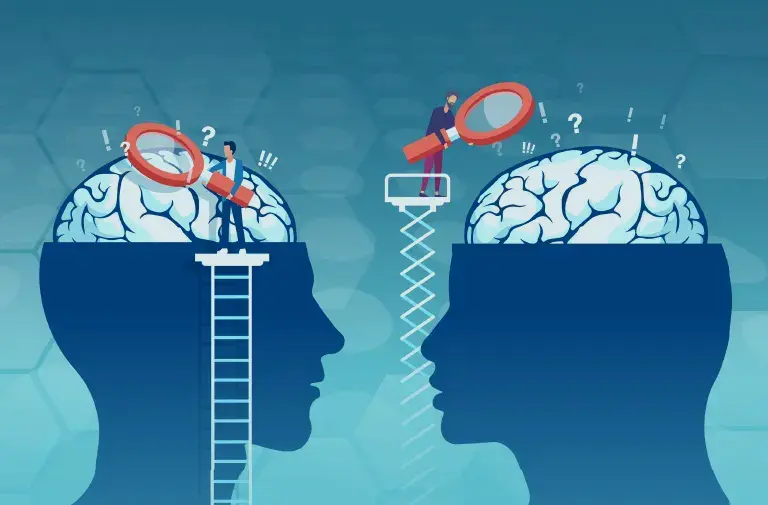
Research shows that ADHD brains differ from non-ADHD brains in the way areas of the brain connect and communicate. These are called Neuronal pathways or circuits. The main problems involve neurotransmitters — especially dopamine and noradrenaline.
Affected circuits/ networks include:
- • Dorsal Frontostriatal Circuit: Connects the dorsolateral PFC with the striatum, crucial for cognitive control and working memory.
- • Orbitofronto-Striatal Circuit: Links the orbitofrontal cortex to the striatum, regulating motivation, reward processing, and impulsivity.
- • Fronto-Cerebellar Circuit: Involves the PFC and cerebellum, responsible for timing, motor control, and cognitive pacing.
- • Default Mode Network (DMN): A set of brain regions that is active when the brain is at rest; in ADHD, this network fails to deactivate properly during tasks, leading to inattention.
- • Mesocorticolimbic Circuit: Involves dopamine pathways related to reward and emotional regulation.
As it is obvious most of these are directly or indirectly coordinated through the frontal lobe/ prefrontal cortex.
Because these changes occur at the level of circuits and neuronal pathways, brain scans cannot yet be used for an individual diagnosis. Imaging shows consistent differences at a group level but lacks the precision for clinical use.